


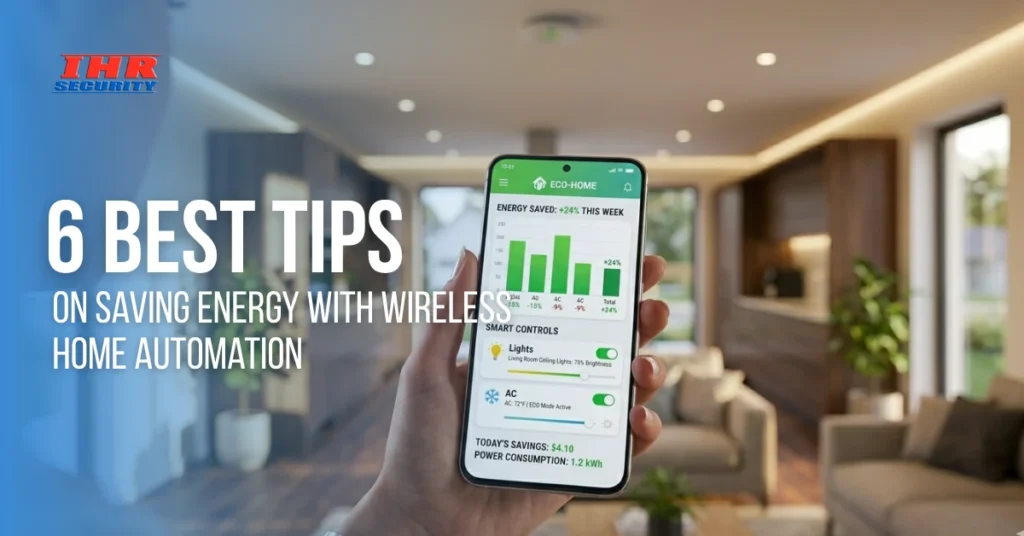
Struggling with rising energy bills while juggling home comfort? It’s frustrating when you feel like you’re doing everything right, switching off lights, adjusting thermostats, yet costs keep climbing. The good news is that wireless home automation can transform how you manage energy at home.
From smart thermostats that learn your schedule to lighting systems you control remotely, these systems make saving energy effortless. In this guide, you’ll discover six practical tips that not only reduce electricity use but also enhance your comfort and convenience. Let’s explore how simple changes, powered by automation, can lead to big savings, starting with lighting.
Smart Lighting Adjustments with Wireless Control
Building on the idea of effortless energy management, one of the first places to start is lighting. Wireless home automation allows you to schedule lights, dim them, or turn them off remotely. For instance, motion sensors in hallways or bathrooms ensure lights only come on when needed.
Smart bulbs can also adjust color temperature, reducing unnecessary energy use. By connecting your lighting system to your automation hub, you gain full control without manually checking every room, which saves both electricity and effort.
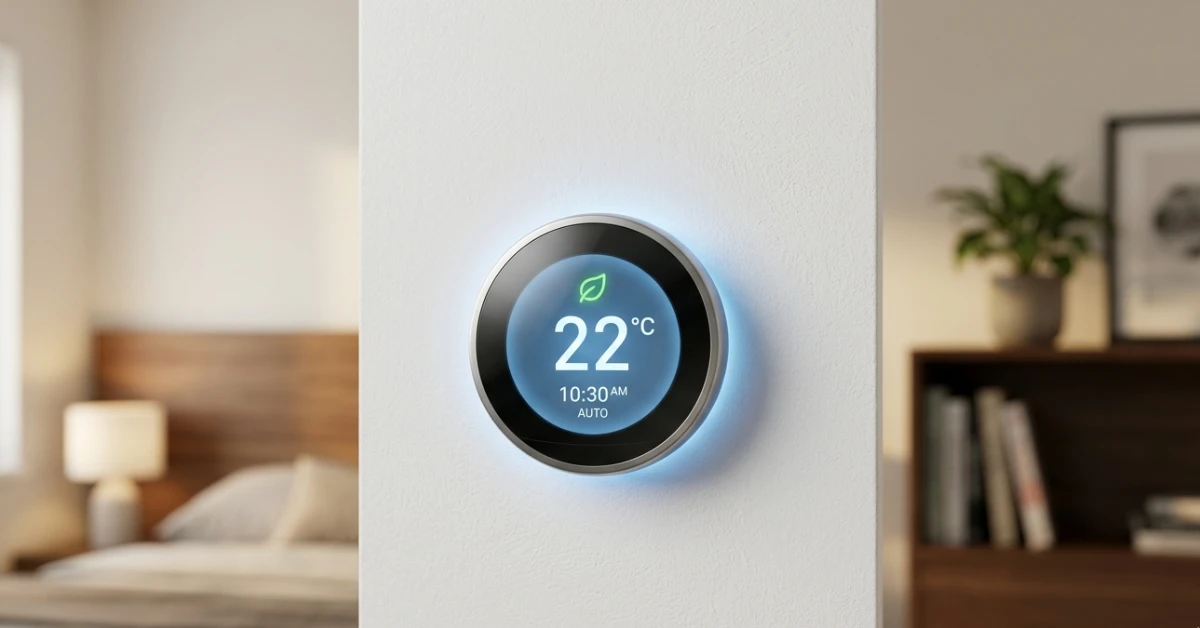
Optimize Your Thermostat Automatically
With lighting handled, the next focus is heating and cooling. Smart thermostats adapt to your routine, automatically lowering the temperature when you’re away or asleep. This prevents wasted energy and reduces utility bills.
Many systems offer geo-fencing, so your home knows when you’re approaching and adjusts accordingly. Wireless home automation makes it seamless; you no longer need to remember to change settings manually, and your HVAC system runs efficiently, keeping comfort high without overspending.
Schedule Appliances for Off-Peak Efficiency
Beyond lighting and climate control, many household appliances consume energy at predictable times. By integrating them into your wireless home automation system, you can schedule them to run during off-peak hours.
For example, running your dishwasher or laundry at night can lower electricity costs. Smart plugs track energy use, helping you identify high-consumption devices. This practical approach ensures your appliances work smarter, not harder, and maximizes the financial benefits of automation.
Monitor Energy Use in Real Time
Once your devices are automated, understanding consumption patterns is the next step. Wireless home automation platforms often include energy dashboards that display usage for each device.
Seeing real-time data empowers informed decisions, like adjusting settings on high-energy devices or spotting appliances running unnecessarily. This insight helps maintain consistent savings and supports sustainable habits. Plus, visual feedback motivates continued energy-conscious behavior throughout the home.
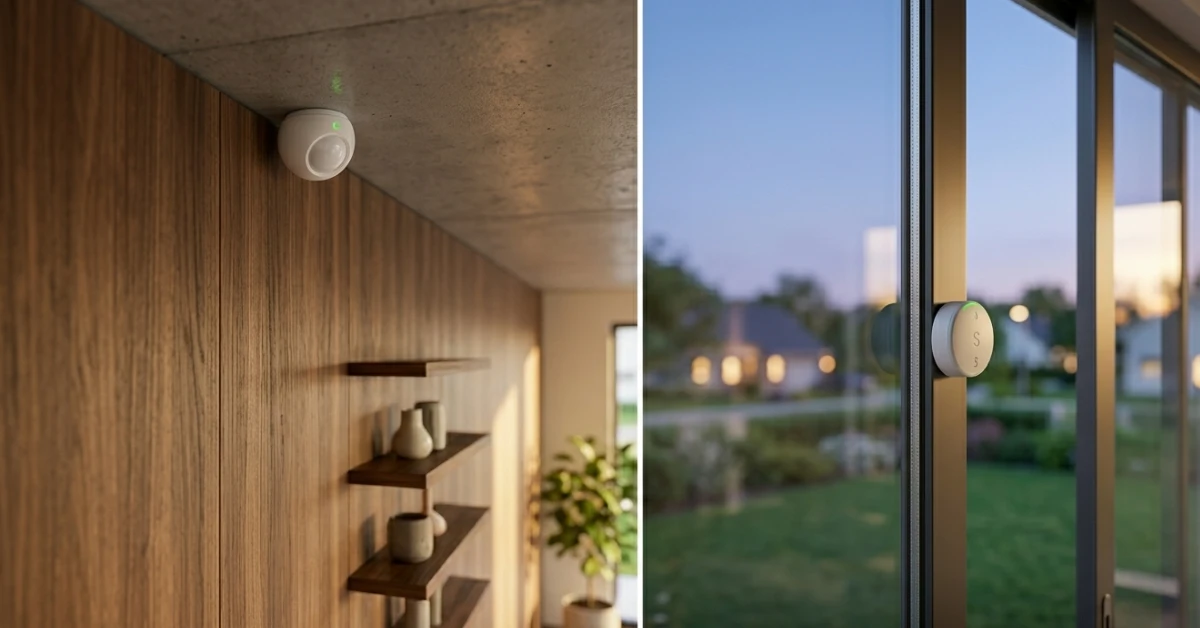
Use Smart Sensors to Prevent Waste
Energy loss isn’t always obvious. Windows left open, doors ajar, or rooms unoccupied can waste power. Smart sensors detect these situations, sending alerts or automatically adjusting connected systems.
For example, window sensors can signal the HVAC system to pause climate control when a window is open. Occupancy sensors turn off lights and electronics in empty rooms. These small, automated interventions add up, creating a highly efficient household without constant oversight.
Integrate Renewable Energy and Storage
Finally, take energy savings further by connecting solar panels or home batteries to your wireless automation system. Automation can prioritize using stored solar energy during peak demand or charge batteries during off-peak hours.
The system can even manage energy distribution intelligently, powering critical devices first. This not only reduces reliance on the grid but also complements other automation strategies, giving you a holistic, energy-efficient home that’s both cost-effective and sustainable.
Final Thoughts
By combining smart lighting, thermostats, appliance scheduling, real-time monitoring, sensors, and renewable integration, wireless home automation transforms energy management into a seamless experience. These tips help you save money, reduce waste, and enjoy a more convenient, comfortable home. Start small, track results, and expand your automation strategy for maximum impact.
Explore wireless home automation solutions at IHR Security to start saving energy while simplifying your daily routines.
Frequently Asked Questions
1.What is wireless home automation?
Wireless home automation is a system that connects devices like lights, thermostats, and security cameras to a central hub without wiring. It allows homeowners to control, schedule, and monitor devices remotely using a smartphone or voice assistant. This makes managing your home more convenient and energy-efficient.
2.How does wireless home automation save energy?
Wireless home automation saves energy by automating lighting, heating, and appliances to operate only when needed. Smart thermostats adjust temperatures based on occupancy, and motion sensors turn off lights in empty rooms. This reduces electricity waste and lowers monthly utility bills.
3.Which devices can be included in wireless home automation?
Common devices include smart lights, thermostats, plugs, security cameras, door locks, and sensors for doors or windows. Many systems also integrate appliances and renewable energy sources, allowing full home control. By connecting multiple devices, you can create a seamless, energy-efficient smart home.
4.Is wireless home automation difficult to install?
Most wireless home automation systems are designed for easy installation, often requiring no professional wiring. Devices connect via Wi-Fi, Zigbee, or Z-Wave and can be set up using mobile apps. Some advanced setups may benefit from professional installation, but basic energy-saving automation is straightforward for homeowners.
5.Can wireless home automation be controlled remotely?
Yes, wireless home automation allows full remote control through apps or voice assistants. You can adjust lights, thermostats, and appliances from anywhere, receive alerts, and monitor energy usage in real time. This convenience helps maintain efficiency and comfort even when you’re away from home.