


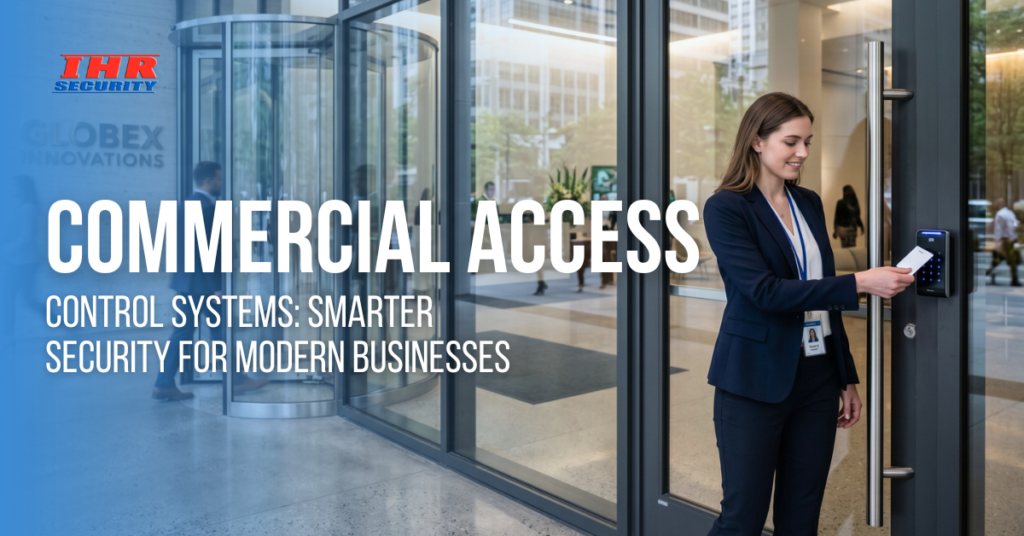
Security is no longer just about locks and keys; businesses now need smarter solutions to protect people, data, and property. This is where commercial access control systems play a critical role in modern security strategies. They allow businesses to control who enters specific areas, track movement, and prevent unauthorized access in real time.
Whether it’s an office, warehouse, or retail facility, these systems create a safer and more efficient environment. In this guide, you’ll learn how these systems work, their benefits, types, and how they strengthen your overall commercial security system for long-term protection.
| Commercial access control systems are security solutions that regulate who can enter or exit a building, room, or restricted area. They use technologies like keycards, PIN codes, mobile access, or biometrics. These systems help businesses improve safety, reduce unauthorized access risks, and maintain better control over employee and visitor movement. |
What Are Commercial Access Control Systems?
Commercial access control systems are advanced security solutions designed to restrict and manage entry within business environments. They replace traditional locks with digital authentication methods such as cards, PINs, or biometrics. These systems ensure only authorized individuals can access specific areas of a building.
Unlike a basic commercial security system, access control focuses on identity verification and permission-based entry. Businesses use them to secure sensitive zones like server rooms, storage areas, and executive offices. This adds a strong layer of protection beyond standard surveillance.
How These Systems Work in Real Life
These systems verify credentials before granting access to a door or restricted zone. If authentication is valid, the door unlocks automatically. If not, entry is denied and logged. This makes monitoring simple and highly effective.
Key Components of Access Control Systems
They typically include access readers, control panels, locking devices, and management software. Together, these components create a seamless security network that helps businesses manage entry points efficiently.
Benefits of Commercial Access Control Systems
Commercial access control systems offer more than just entry control; they improve overall business security and efficiency. They reduce dependency on physical keys and eliminate risks like duplication or loss. Businesses also gain better visibility into who enters and exits their premises.
These systems integrate with broader commercial security services, including surveillance and alarm systems. This creates a unified security environment that enhances protection across the entire facility.
Key Advantages of Access Control
- Improved Security Control: Commercial access control systems allow businesses to define precise access levels, ensuring employees can only enter authorized zones, reducing internal and external security threats effectively.
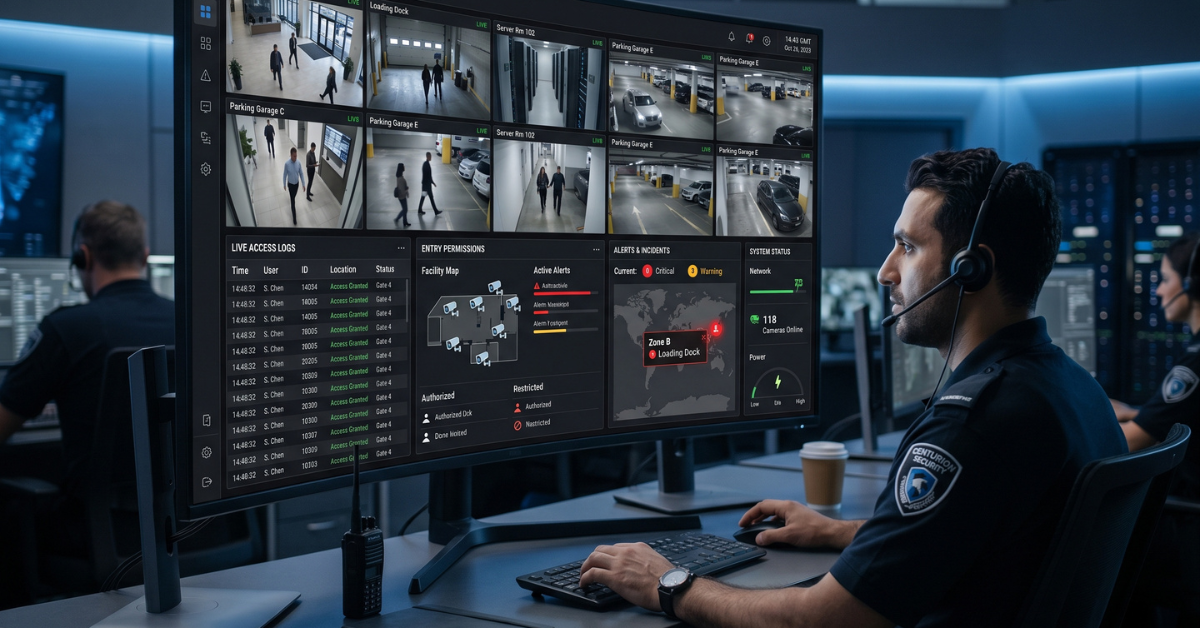
- Better Monitoring & Reporting: These systems track entry and exit logs in real time, helping businesses identify suspicious activity and maintain detailed records for audits or compliance requirements.
- Reduced Risk of Unauthorized Entry: By eliminating physical keys, businesses prevent duplication risks and ensure only verified users can access restricted areas, strengthening overall security infrastructure.
Types of Commercial Access Control Systems
There are multiple types of commercial access control systems, depending on business size and security needs. Each type uses different authentication methods and offers varying levels of protection. From card-based systems to advanced biometric solutions, businesses can choose what best fits their operational requirements and security goals.
Card-Based Access Systems
These systems use swipe or proximity cards for entry. They are widely used in offices and provide simple yet effective access control for employees and visitors.
Biometric Access Systems
Biometric systems use fingerprints, facial recognition, or retina scans. They offer high-level security and are commonly used in sensitive business environments.
Mobile-Based Access Systems
Mobile access allows users to unlock doors using smartphones. This modern solution integrates with cloud systems for remote access management.
- Card-Based Systems: These systems rely on ID cards or key fobs to grant access, making them cost-effective and easy to manage for small to medium businesses.
- Biometric Systems: Biometric solutions offer advanced protection by verifying unique human traits, ensuring highly secure access to restricted commercial areas.
- Mobile Access Systems: Mobile-based systems enable secure entry using smartphones, offering convenience and remote control for modern businesses and facility managers.
How to Choose the Right Access Control System
Choosing the right system depends on your business size, security requirements, and budget. A small office may only need basic card access, while warehouses require advanced multi-layer security solutions.
Many businesses combine access control with a business security system for complete protection. This integration ensures that both entry control and surveillance work together effectively.
Assess Your Security Needs
Start by identifying sensitive areas that need restricted access. Understanding risk levels helps determine the right type of system for your facility.
Consider Scalability and Integration
Choose systems that can grow with your business and integrate with cameras, alarms, and existing security infrastructure.
Selection Tips:
- Evaluate Business Size Requirements: Larger facilities like warehouses need advanced systems, while small offices may only require basic access control solutions for daily operations.
- Check Integration Compatibility: Ensure your system integrates with existing security cameras and alarm systems for a fully connected and efficient protection network.
- Focus on Future Scalability: Choose systems that allow upgrades as your business grows, avoiding costly replacements and ensuring long-term security and adaptability.
Installation and Maintenance Best Practices
Proper installation of commercial access control systems ensures maximum efficiency and long-term reliability. Poor setup can lead to security gaps and system failures. Regular maintenance is equally important to keep hardware and software functioning smoothly. Businesses often rely on commercial security companies for professional installation and ongoing support.
Professional Installation Matters
Experts ensure correct configuration, wiring, and integration with other security systems. This reduces technical issues and improves system reliability.
Routine Maintenance and Updates
Regular system checks, software updates, and hardware inspections prevent malfunctions and ensure continuous protection without interruptions.
Final Insights
Commercial access control systems are essential for modern businesses seeking reliable, scalable, and intelligent security. They enhance protection, streamline entry management, and integrate with broader security infrastructure. For expert installation and tailored solutions, trusted providers like IHR Security can help safeguard your business with advanced, customized protection systems.
Ready to upgrade your business security with tailored solutions from IHR Security? Get smarter, safer, and controlled access today.
FAQs
1. What is the main purpose of commercial access control systems?
The main purpose of commercial access control systems is to regulate who can enter specific areas within a business. They improve security by ensuring only authorized personnel can access sensitive zones, reducing risks of theft, unauthorized entry, and internal security breaches.
2. Are access control systems better than traditional locks?
Yes, access control systems are far more secure than traditional locks. Unlike physical keys that can be lost or copied, these systems use digital credentials like cards, biometrics, or mobile access, providing better control, tracking, and accountability.
3. Can access control systems integrate with security cameras?
Yes, modern systems can integrate with surveillance tools like a business camera system. This combination provides real-time monitoring, video verification, and stronger overall protection for commercial properties.
4. How much do commercial access control systems cost?
Costs vary depending on system type, size, and features. Basic systems are more affordable, while advanced biometric or integrated setups cost more. Businesses typically choose based on their security needs and scalability requirements.
5. Do these systems work for warehouses?
Yes, warehouse security is one of the most common applications. Access control systems help manage employee entry, secure storage zones, and prevent unauthorized access in large industrial environments.