


Safety concerns continue to rise for homes and small businesses. Many properties face blind spots due to poor placement or outdated equipment. These blind spots create weak areas that intruders can exploit. Older systems often miss motion or fail to alert users on time. These failures lead to late responses and higher risks.
Video surveillance systems now play a stronger role in closing these gaps. They work with smart alarm monitoring to provide steady coverage in real time. Cameras record key areas, while sensors support quick detection. This combination reduces missed activity and improves reliability throughout the day. Users gain better visibility and more control over each event.
Smart alerts also push updates to owners in seconds. These alerts help people act faster during suspicious moments. They reduce confusion and provide clear details about each trigger. As a result, users gain better awareness and fewer oversight gaps, even during busy hours. This shift helps create safer homes and workspaces.
What Creates Security Blind Spots in Homes and Businesses
Poor camera placement creates large gaps in coverage. Many cameras point too high or face the wrong direction. These mistakes leave corners dark and unmonitored. Outdated equipment also weakens visibility and causes slow responses. Older cameras often lose clarity or drop frames during key moments.
Limited viewing range hides side areas and narrow paths. These spots invite intruders because they fall outside the main view. Gaps during late hours add even more risk. These are hours when homes and businesses rely most on steady monitoring. Slow alerts cause missed events and delayed action. These issues reduce safety and create serious oversight problems.
How Smart Alarm Monitoring Reduces These Blind Spots
- Real-Time Smart Alerts: Smart alerts help users respond quickly by sending instant updates. These messages reach phones in seconds. Fast notifications cut down on missed events and reduce confusion.
- Continuous Oversight: Monitoring teams watch the system at all hours. This ongoing oversight prevents long gaps in coverage. It also ensures alerts reach the user even when they are away.
- Immediate Clip Review: Short video clips support rapid checks during triggers. These clips help users confirm real threats within seconds. Quick reviews reduce panic and support clear decisions.
- Faster Action During Suspicious Activity: Teams respond quickly when sensors or cameras trigger. Quick updates support safer action and shorten the time between alert and response.
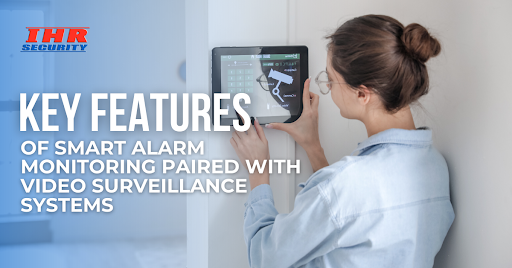
Key Features of Smart Alarm Monitoring Paired With Video Surveillance Systems
Effective video surveillance systems use several connected features to maintain site safety:
- Motion-Based Detection: Improves accuracy by focusing on real activity and reducing false triggers caused by shadows.
- Entry and Perimeter Sensors: Entry sensors guard doors and windows, while perimeter sensors help cameras catch early movement.
- Mobile Control and Remote Access: Mobile control lets users view live feeds from any location, helping owners who travel or work long hours.
- Cloud and Local Storage: Cloud storage creates a reliable event history, while local storage gives quick access without the internet.
- Two-Way Audio: Helps owners address visitors or warn intruders, adding another level of daily convenience.
Benefits of Using Smart Alarm Monitoring With a Home Alarm System
Smart alarm monitoring improves alert response and reduces delays. The system also gives better coverage across large spaces with multiple sensors and cameras. Blind spots shrink both indoors and outdoors. Events get documented with clear video, which helps during reviews or reports.
The system also cuts down on false alarms by using clip verification. This reduces confusion for owners and monitoring teams. The overall structure becomes more efficient and more reliable.
How Video Surveillance Systems Improve Alert Response
- Clip-Based Verification: Clip-based updates help teams confirm the cause of each alert. This reduces delays and improves action during serious events.
- Wider Coverage With Multiple Cameras: Multiple cameras cover hallways, entry points, and outdoor areas. More angles mean fewer blind areas.
- Smart Zones and Customized Areas: Users can set smart zones for key spots. This reduces overwhelming alerts and keeps attention on important areas.
- High-Quality Footage: Clear footage supports reports and helps during reviews. Sharp footage makes it easier to identify movement and activity.
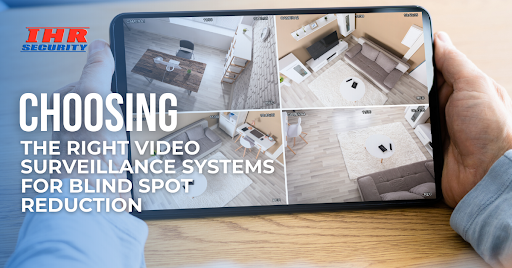
Choosing the Right Video Surveillance Systems for Blind Spot Reduction
When designing your layout, consider:
- Indoor vs. Outdoor Cameras: Indoor cameras work well for shared rooms, while outdoor units protect yards and driveways.
- Range and Field of View: Wide angles reduce hidden areas and capture more detail.
- Night Coverage: Night features record clear scenes after dark, reducing gaps during high-risk late hours.
- Power Options: Wired systems offer steady performance, while battery units suit renters.
- System Compatibility: Smooth communication between cameras, sensors, and alarms supports better response.
Common Mistakes That Create Blind Spots
Many owners place cameras too high or too low. Some ignore corners and hidden zones. Others use outdated equipment that fails during key moments. Many forget to update settings or firmware. Some never test alert settings, which reduces accuracy and leads to missed events.
Tips to Improve Your Current Home Alarm System and Monitoring Setup
Adjust camera angles regularly to maintain clear views. Add sensors to weak entry points to support stronger coverage. Review the alert history to find any gaps or patterns. Update storage plans to avoid losing important clips. Check night visibility often to confirm clear footage after sunset.
Conclusion
Smart alarm monitoring reduces blind spots and supports better daily safety. Video surveillance systems add full coverage and clear views across key areas. Smart alerts, sensors, and steady oversight work together to protect homes and businesses. Correct placement and regular updates keep the system strong throughout the year. Simple improvements can greatly reduce risk and support long-term safety.
Ready to reduce blind spots and improve safety at home or work? Explore smart alarm monitoring options with IHR Security that pair with video surveillance systems for clearer alerts and stronger daily protection.
FAQs
- How does smart monitoring reduce blind spots? Smart monitoring fills coverage gaps by using cameras, sensors, and instant alerts. These tools catch activity sooner and help owners respond faster.
- Are video surveillance systems helpful for small homes? Yes, small homes benefit from wider coverage, clear footage, and quick alerts. Even one or two cameras can reduce blind areas.
- Does night coverage matter for blind spot reduction? Yes, night coverage helps capture activity after dark. This reduces gaps that appear in low-light areas.
- How often should camera angles be checked? Check angles every few months. Small shifts can create new blind spots, so regular checks keep coverage strong.
- Can smart alerts reduce false alarms? Yes, clip-based alerts help verify real events. This reduces unnecessary calls and improves overall accuracy.